INEC slates dates for 2027 presidential election, governorship polls
Kindly share this story


INEC slates dates for 2027 presidential election, governorship polls
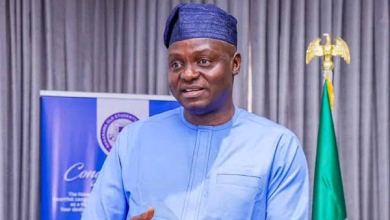
The Independent National Electoral Commission (INEC) has unveiled the timetable for Nigeria’s 2027 general elections, fixing February 20, 2027, for the Presidential and National Assembly elections, while Governorship and State Assembly polls are scheduled for March 6, 2027. INEC Chairman, Joash Amupitan, announced the dates during a press briefing in Abuja on Friday.


While addressing journalists, Amupitan explained that the commission concluded its election timetable and activity schedule even though the amended Electoral Act is yet to be passed by the National Assembly. He added that although INEC has forwarded its recommendations to lawmakers, certain aspects of the schedule could still change depending on when the revised law is approved.
“The commission has worked meticulously to set the election timetable and sequence of activities to ensure a smooth electoral process in 2027. We remain committed to conducting free, fair, and credible elections, even as we await the National Assembly’s approval of the amended Electoral Act,” he said.
The announcement continues INEC’s long-term election planning strategy, which began under former Chairman Mahmood Yakubu. The initiative established projected election dates decades ahead to minimise uncertainty, allow political actors sufficient preparation time, and reduce logistical disruptions that have affected past elections.
According to the timetable, several pre-election processes will take place ahead of the polls, including continuous voter registration, party primaries, submission of candidate lists, and the distribution of electoral materials. Although INEC expressed confidence in its preparations, it admitted that delays in legal reforms could affect certain deadlines, especially those concerning candidate eligibility and election dispute procedures.
Political analysts say the early release of election dates gives political parties and voters a clear timeline for planning campaigns and civic participation. With the 2027 presidential race drawing closer, parties are expected to step up preparations, while civil society organisations will have defined benchmarks to track the process.
Observers also noted that announcing election dates well in advance helps build public trust. Past experiences have shown that uncertainty over election schedules can fuel speculation, reduce voter turnout, and create operational challenges, issues the commission aims to avoid.
The February 20 and March 6 polls will follow Nigeria’s traditional electoral sequence, beginning with presidential and federal legislative elections before state-level contests. INEC stated that preparations, including technological systems for voter accreditation and result management, will be completed early to promote transparency and credibility.
With the amended Electoral Act still awaiting passage, political parties have called on lawmakers to fast-track the process to prevent last-minute changes that could disrupt the electoral timetable. At the same time, citizens have been urged to confirm their voter registration details and participate actively in the democratic process ahead of the 2027 elections.
As Nigeria moves closer to another major election cycle, INEC’s early scheduling underscores its effort to ensure stability and maintain confidence in the electoral system despite ongoing legislative delays.