Nigerian Troops Express Concern Over Alleged Plan to Integrate Rehabilitated Boko Haram Members Into Security Operations
Kindly share this story


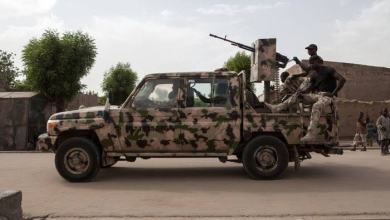
Nigerian military personnel engaged in counter-insurgency operations in the North-East have reportedly expressed serious concerns over an alleged directive requiring them to collaborate with former Boko Haram fighters who have completed the Borno State Government’s deradicalisation and reintegration programme.
According to accounts from serving soldiers cited by SaharaReporters, the reported policy has generated anxiety among frontline troops, many of whom fear that involving rehabilitated insurgents in military-related activities could compromise operational security and increase the risk of intelligence leaks.


The soldiers claimed that several former Boko Haram members who recently completed the state’s rehabilitation programme have been assigned to local security outfits that work alongside the military in efforts to combat insurgency across parts of Borno State.
Several military sources alleged that the initiative is intended to demonstrate the effectiveness of the government’s deradicalisation strategy, despite persistent criticism from victims of terrorism, members of the public, and some security personnel.
One soldier stated that many troops remain unconvinced that all rehabilitated insurgents have genuinely abandoned extremist ideology. He argued that trust remains a significant challenge, noting that previous operations had allegedly been compromised by information leaks.
According to another source, military personnel have deliberately maintained separate accommodation for some of the former insurgents within military facilities due to concerns that they may still maintain contact with active terrorist networks operating in the region.
The source further claimed that the continued killing of senior military officers by insurgent groups has reinforced suspicions that sensitive operational information is still reaching terrorists. Consequently, many soldiers reportedly oppose any arrangement requiring close operational cooperation with former Boko Haram members.
Troops interviewed also argued that government efforts should instead focus on strengthening military capabilities through improved equipment, enhanced intelligence gathering, and better welfare for personnel serving on the front lines, rather than integrating former insurgents into security operations.
The reported concerns come shortly after the Borno State Government officially reintegrated 720 rehabilitated former insurgents, together with 992 spouses and 2,050 children, into various communities under its “Borno Model” deradicalisation, rehabilitation, and reintegration initiative.
The beneficiaries were among individuals who had surrendered to security forces, completed rehabilitation programmes at the Hajj Camp in Maiduguri, and were subsequently returned to civilian communities.
During the reintegration ceremony, the Special Adviser to Governor Babagana Zulum on Security and a member of the state’s Deradicalisation, Rehabilitation and Reintegration Committee, retired Brigadier General Abdullahi Ishaq, described the programme as a key component of Borno State’s non-military approach to combating insurgency.
According to Ishaq, the programme, launched in July 2021, is based on principles of rehabilitation, forgiveness, and community acceptance for former insurgents who renounce violence. He stated that more than 350,000 individuals have reportedly surrendered from insurgent camps since the initiative began, while 9,680 people have completed the rehabilitation process and been reintegrated into society through nine separate batches.
Officials maintain that participants receive vocational training, psychological counselling, religious and behavioural reorientation, and skills acquisition before returning to their communities.
Despite these assurances, the programme continues to attract public debate, with critics questioning whether sufficient safeguards exist to prevent former insurgents from returning to extremist activities or compromising security operations.
The latest concerns voiced by serving soldiers suggest that reservations about the programme remain widespread, including among personnel directly involved in Nigeria’s counter-insurgency campaign.
As of the time the report was published, the Nigerian Army had not issued an official response. Attempts by SaharaReporters to obtain comments from the Director of Army Public Relations, Colonel Appolonia Anele, were reportedly unsuccessful. Telephone calls went unanswered, while a text message requesting the Army’s position had not received a response.